
IT Support
You Can Always Rely On
We help businesses improve efficiency, stay secure, and grow with personalized tech they never have to worry about.
24/7 human-first support
Proactive fixes and training to prevent issues
No surprise costs or confusing fine print



A Frustration-Free Way
to Grow Your Business with Tech

Get problems fixed FAST.
Anything from printer meltdowns and glitchy servers, to ransomware attempts and panicked staff members who clicked the wrong link.
Our average response rate is 2 minutes, and you’re not bounced between departments or ghosted mid-issue.
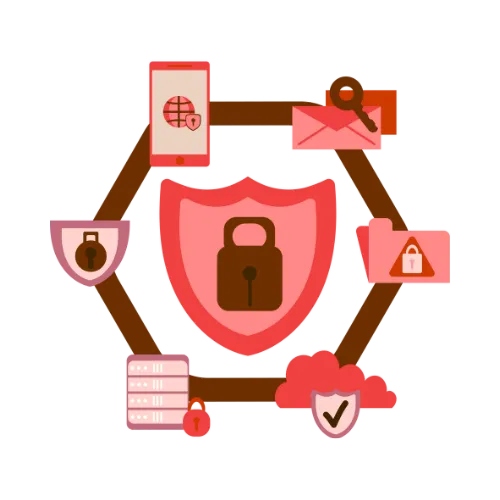
Receive enterprise-grade protection.
Multi-layered protection, real-time monitoring, backup & recovery, phishing defense, endpoint security, training for your team, and more.
We put an “Iron Dome” around your business from day one.
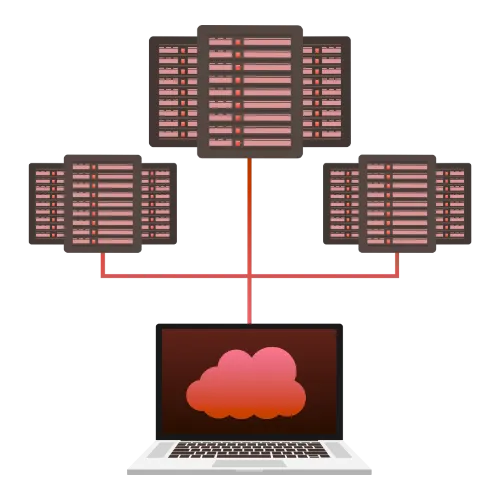
Have your data backed up and tested regularly.
We automatically backup regularly, and manually test to make sure they work when you need them most.
No matter what might happen, we’re making it super easy for you to be up and running the very same day.

Have all your questions answered, always.
Your team will never be made to feel “dumb” for asking, no matter what questions they ask.
You get peace of mind, clarity, and confidence in using tech to achieve your goals.
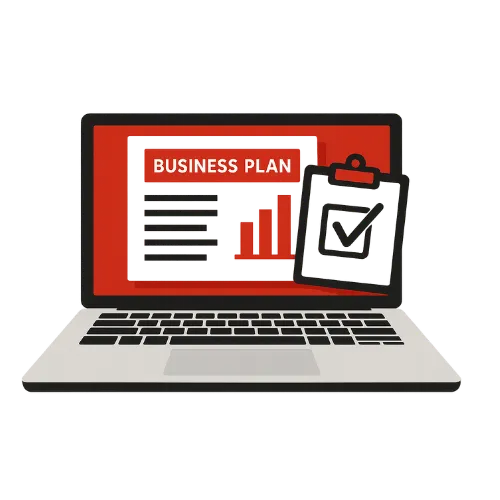
Receive support to plan for the future.
Need to add 5 new staff? Opening a second location? Switching software platforms?
We help you with planning, budgeting, and implementing tech that scales with your growth.
Know what’s happening at all times.
You shouldn’t have to chase down status updates or wonder what’s happening behind the scenes.
We show you what’s been done, what’s in progress, and what’s coming next, so you always know where things stand.
We’re a no-nonsense IT company based in Long Beach, New York, built for businesses that are done settling for “just okay.”
We’ve been in the trenches for years, and helped teams stay protected from cyber threats, cut down wasted hours, and create smoother, smarter systems that support real growth.
We know the difference between looking good on paper and showing up when it counts.
We don’t believe in one-size-fits-all support. We take the time to understand how your business works, what’s getting in the way, and how tech can move you forward.
If you’ve ever said “this shouldn’t be my job” when dealing with IT… That’s exactly why we exist.
WHAT WE DO
Our Services
We offer end-to-end tech support built around what growing businesses actually need without using confusing technical jargon. We install, service and support Servers and Workstations, Networks, VOIP Phones, Surveillance Cameras, Access Control Systems and much more!
You'll get the right mix of strategy, support, and security to keep your operations running smoothly.

Compliance & Risk Management
Whether you handle financial, legal, or sensitive client data, we help you meet compliance requirements and reduce risk with the right policies, reporting, and protections in place.

OnSite Technical Support & Training
Our team will come to your business and help you with any technical issue or challenge you might have. They can also train your team on how to make the best out of your tech.

Strategic Goal-Oriented IT Planning
You get tech that’s aligned with your business goals, whether that's scaling up, opening new locations, or migrating systems without disruption.
On/Off-boarding & Offboarding Support
We make it easy to bring new staff on or off your systems with secure access, proper permissions, and clear documentation every step of the way.
IT Documentation & Asset Management
We track and document your entire IT environment – devices, licenses, passwords, warranties – so nothing slips through the cracks, and everything stays organized.

Cloud Solutions for
All Business Types
You'll be able to work from anywhere with secure, flexible cloud infrastructure that supports your team and your data — whether you’re remote, hybrid, or in-office.
Tool Management
& Configuration
We configure and manage tools like Microsoft 365, Google Workspace (and many others) with secure access, smooth syncing, and reliable support across all your devices.
Patch Management & Software Updates
We monitor, test, and roll out updates on schedule to keep your systems secure and running smoothly, without interrupting your work.

Hardware, Software & Licensing
We manage all the details, from procurement and setup to renewals and upgrades, so your team always has the right tools for the job.

Vendor Comms
& Management
We act as your main point of contact for third-party vendors – internet, phone, software providers – so you don’t waste time chasing different support desks.
Disaster Recovery Planning
Beyond backups, we create full recovery strategies to ensure your business can keep operating, even if something serious goes wrong.
TESTIMONIALS
What Our Clients Say About Us
"Loved everything so far"
“The Computer MD is great! It's so difficult to find a computer repair company that can ACTUALLY fix problems. We had a couple different companies come in to try to remove a virus from our work computers and no one was able to resolve the problem. Then we got recommended to The Computer MD. They fixed the computers within a day! It was such a relief to finally work with a company that was able to talk the talk and walk the walk. In addition, they supplied us with useful tips and backup options that were very helpful. Thank you thank you!”
- Nikki L.

"My life changed forever"
“We've been clients of the Computer MD for over seven years. We initially used their services to select, buy and install the best technology to meet our needs to run a practice. We found their advice invaluable in guiding us to avoid mistakes and making smart choices. In addition, they are experts in trouble-shooting, identifying and fixing problems that are beyond the skill level of other computer service companies. Their professional standards are very much appreciated and we recommend them highly.”
- Dr. Martin M.
"Highly recommend this"
"There is the saying "You get what you pay for." Unfortunately, this does not always apply to computer repair. The Computer MD, on the other hand, is worth every penny. They are Reliable (always keep their appointments), Conscientiousness (always resolve the problem I have), Preemptive (Makes recommendations to improve my computing and prevent future problems). Don't short change yourself. Give them a call."
- Bob B.
average msp
“We’ll get back to you.”
Jargon, confusion, blame
Endless back-and-forth
Surprise fees and fine print
Disappearing after onboarding
Treated like a number
Rotating techs
Vague reports
“Fix it when it breaks” approach
No documentation or visibility
Missed handoffs and dropped tickets
Stress around growth and scaling
working with us
Fast and direct support
Clear answers and ownership
Issues resolved, properly explained
Transparent and predictable pricing
Consistent service throughout
Treated like a partner who matters
Personally assigned techs
Easy-to-read specific reports
Proactive support that prevents issues
Everything tracked and logged
Tight processes and full accountability
Step-by-step planning for growth

We Partner with the Best
to Give You the Best
We work directly with trusted names like HP, Cisco, Dell, Microsoft, RingCentral, and others to bring you proven, enterprise-grade technology that fits your business.
These partnerships mean better tools, faster solutions, and direct access to resources that will help your business grow and stay secure. When you work with us, you’re backed by the best in the industry, without the complexity of dealing with them yourself.




Who We Serve
We help small businesses across many industries, with deep experience in Hospitality, Health, Education, Professional Services, Manufacturing, Construction, and more.
Most importantly, we work with business owners who:
Understand tech
is an investment.
Care deeply about the work they’re doing.
See their vendors
as partners.
READY TO GIVE US A TRY?
We’ll Make Technology One Less Thing
You Have to Worry About
We’ll Make Technology One Less Thing You Have to Worry About
If you’ve made it this far, you must be at least curious about how working with us might look like.
We’ve helped dozens of businesses improve their output, security, and overall confidence in tech… and we’d be glad to do the same for you.
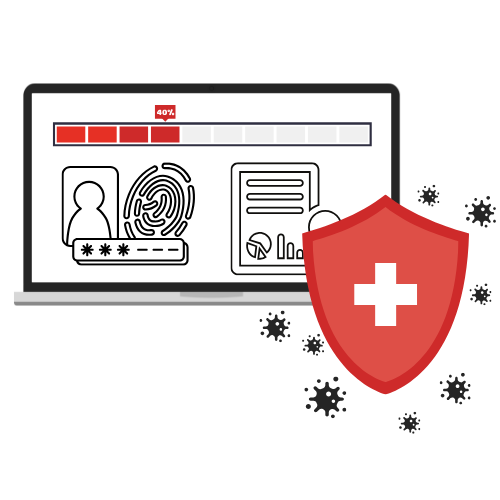
With that in mind, we’re offering a Free Cybersecurity Health Checkup where we’ll look at your current setup, highlight any risks or inefficiencies, and answer your questions honestly.
You will receive an easy-to-read report with any recommendations we might have.
You can choose to implement these yourself, send them to your current IT people, or talk to us about how we could help better secure your business.
Don’t worry, there won’t be any pitch at the end of the call. We just want to help. You’re also free to ask anything, and we’ll give you real transparent answers.
If you’ve made it this far, you must be at least curious about how working with us might look like.
We’ve helped dozens of businesses improve their output, security, and overall confidence in tech… and we’d be glad to help you do the same.
With that in mind, we’re offering a Free 12-Point Cybersecurity Health Checkup where we’ll look at your current setup, highlight any risks or inefficiencies, and answer your questions honestly.
You will receive an easy-to-read report with any recommendations we might have.
You can choose to implement these yourself, send them to your current IT people, or talk to us about how we could help better secure your business.
Don’t worry, there won’t be any pitch at the end of the call. We just want to help. You’re also free to ask anything, and we’ll give you real transparent answers.
WANT TO KNOW MORE?
Contact Us Below


Call Us
516 431 3535
Frequently Asked Questions
What if we’re too small to need managed IT?
If your team uses email, stores data, or relies on software to do their job, then you need IT that works. Small businesses are more vulnerable to issues because they have fewer internal resources to handle them. We scale our support to fit your size, and help you stay protected as you grow.
Isn’t managed IT just for big companies?
Not anymore. Modern IT Providers like us are built specifically for small and mid-sized businesses that don’t have an in-house IT department. You get expert support and enterprise-grade tools, without the overhead or complexity.
What if we already have someone “handling IT”?
Many businesses have a tech-savvy employee or external contact they rely on. We can work alongside them or fully take over, depending on what’s best for your business. Either way, you’ll get more structure, faster response times, and deeper expertise.
How is this different from just calling a tech when something breaks?
That’s break-fix support, and it usually ends up being more reactive, expensive, and stressful. We prevent problems before they happen, keep your systems secure and up to date, and provide consistent, ongoing support that grows with your business.
What if we barely have tech issues right now?
That’s great news, and we’ll help keep it that way. The goal isn’t just to fix things when they break, but to prevent issues before they start. We also help improve speed, security, and performance behind the scenes, so your systems stay reliable as your business grows.
Won’t this just add more complexity to our business?
No. This will remove complexity. You’ll have one team to call, one clear process, and full visibility over what’s happening with your systems. No more vendor juggling, DIY troubleshooting, or unclear responsibilities.
We’re not very “techy”. Will this be hard to manage?
Not at all. We handle the technical side, so you don’t have to. We explain everything in plain language, make recommendations that make sense for your business, and keep you updated without overwhelming you with jargon.
Do we need to sign up for everything at once?
No. We can start with what you need most, whether that’s support, security, backups, or a full IT audit, and grow from there. You stay in control of the pace and priorities.
What if our needs change in a few months?
That’s exactly why our support is flexible. We’ll adjust as your business evolves — scaling up, scaling down, or shifting priorities — without locking you into a long-term, one-size-fits-all contract.
Here Because You’re Thinking
of Switching from Another IT Provider?
Here Because You’re Thinking of Switching from Another IT Provider?
Most businesses don’t switch IT providers because of one catastrophic failure. They switch because of a slow, grinding breakdown of trust.
At first, it’s tolerable… a few unanswered calls, a support ticket that drags on, a confusing invoice with extra charges you didn’t expect.
You justify it: “They’re probably just busy.”
You tell yourself it’s manageable. Not ideal, but fine for now.
Eventually, your team is doing workaround after workaround… because the IT provider is too slow or dismissive.
You’re paying for “unlimited” support but feel like every request comes with a hidden fee.
You’re told your systems are safe… until a scare proves otherwise.
And when something goes wrong? It’s never their fault. It’s the vendor, your ISP, your staff.
This is what “good-enough” IT looks like in the real world:
You waste hours chasing responses, or worse, you get ghosted entirely. (Yes, some business owners said their IT provider literally disappeared.)
You’re nickel-and-dimed for every small change, and the invoices don’t make sense. One business owner realized they were still being billed for devices they no longer owned.
You’re sold a dream of proactive care but only hear from your provider when something breaks. There’s no long-term plan, just reaction after reaction.
You’re talked down to when you ask questions, made to feel dumb for not knowing the jargon. Instead of educating you, they intimidate or deflect.
You’re told you’re protected, but when a breach or disaster hits, they’re nowhere to be found.
You’re treated like an account number, not a business partner. Their solutions are cookie-cutter. Their interest in your company? Minimal.
Worst of all, you start lowering your expectations.
Your team stops reporting issues because they know nothing will change.
You accept slow fixes, vague updates, and rotating techs who don’t know your setup because you assume that’s just “how IT is.”
If that’s where you are right now, and you want to see how reliable IT support looks like…
We Can Help You Make The Switch
(Without Headaches)
We Can Help You Make The Switch (Without Headaches)
We’ve guided dozens of businesses through this exact transition.
Messy setups, uncooperative providers, missing documentation... we’ve seen it all, and we know how to clean it up without causing you headaches.
We start with a full technology audit so you know what’s working, what’s at risk, and what needs attention.
Once that’s done, we handle the handover from your current provider.
That includes securing credentials, collecting documentation, and managing the awkward conversations you don’t want to have.
We then create a step-by-step transition plan, mapped around your business hours, staff needs, and ongoing projects. If something needs to change, we’ll explain why, and how we’ll do it without downtime.
Your team gets onboarded clearly and respectfully.
We walk them through what’s new, answer every question, and make sure no one feels lost, rushed, or “too dumb to ask.”
You get updates at every stage. You always know what’s happening, what’s next, and who’s handling it.
And once the switch is done, we check in, tighten the gaps, and make sure everything is running smoothly.
If that sounds like something you want to explore, schedule a call with our team below.




Email Us
Call Us
516 431 3535
© 2025 The Computer MD, Inc. | All Rights Reserved.
© 2025
All Rights Reserved.